
The Bellows – an idea that changed everything
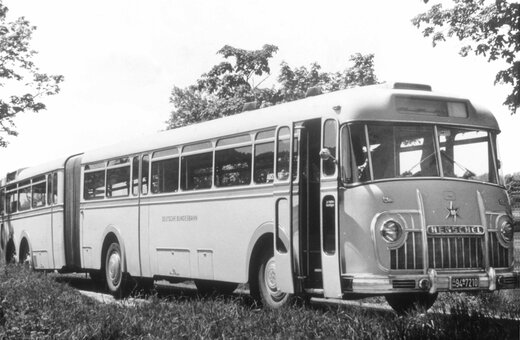
In 1951, HÜBNER manufactures the first bellows and rubber beads for German National Rail (Deutsche Bundesbahn) – the beginning of a strong partnership that still exists 75 years later. And with it 70 years of HÜBNER gangway systems have connected railcars all over the world. Although many travelers simply pass through them without noticing, but they are indispensable for any train.
Robust and durable
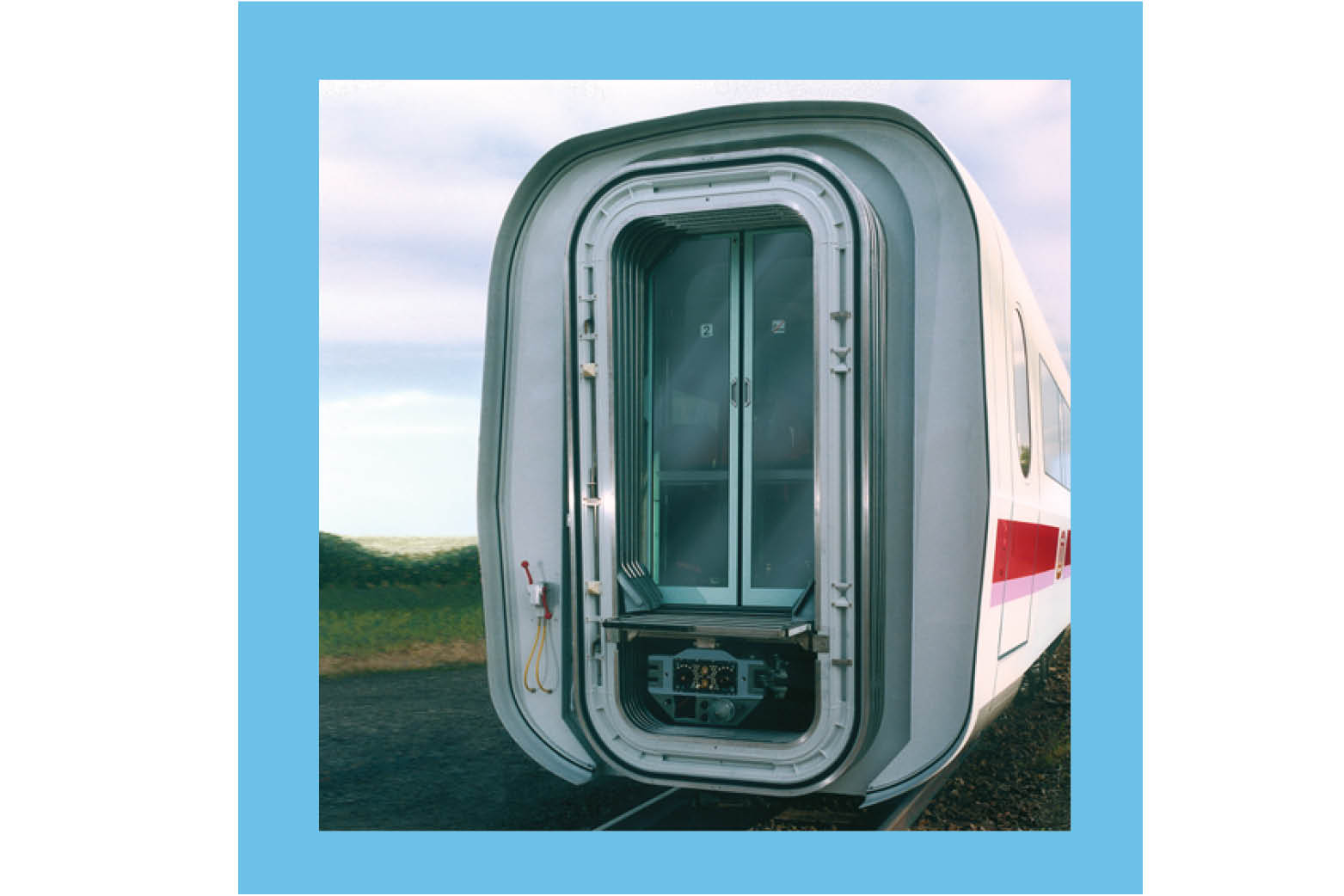
The beginnings of bellows development date back to the 1950s: the first models were made of linen – a material that cannot withstand the cold. Finally, HÜBNER switched to rubberized fabric and aluminum frames – more robust, more durable and suitable for various external conditions. With the advent of high-speed rail, a new chapter began. Different movements, forces and requirements arose between the railcars.
Corrugated bellows as a solution for high-speed trains
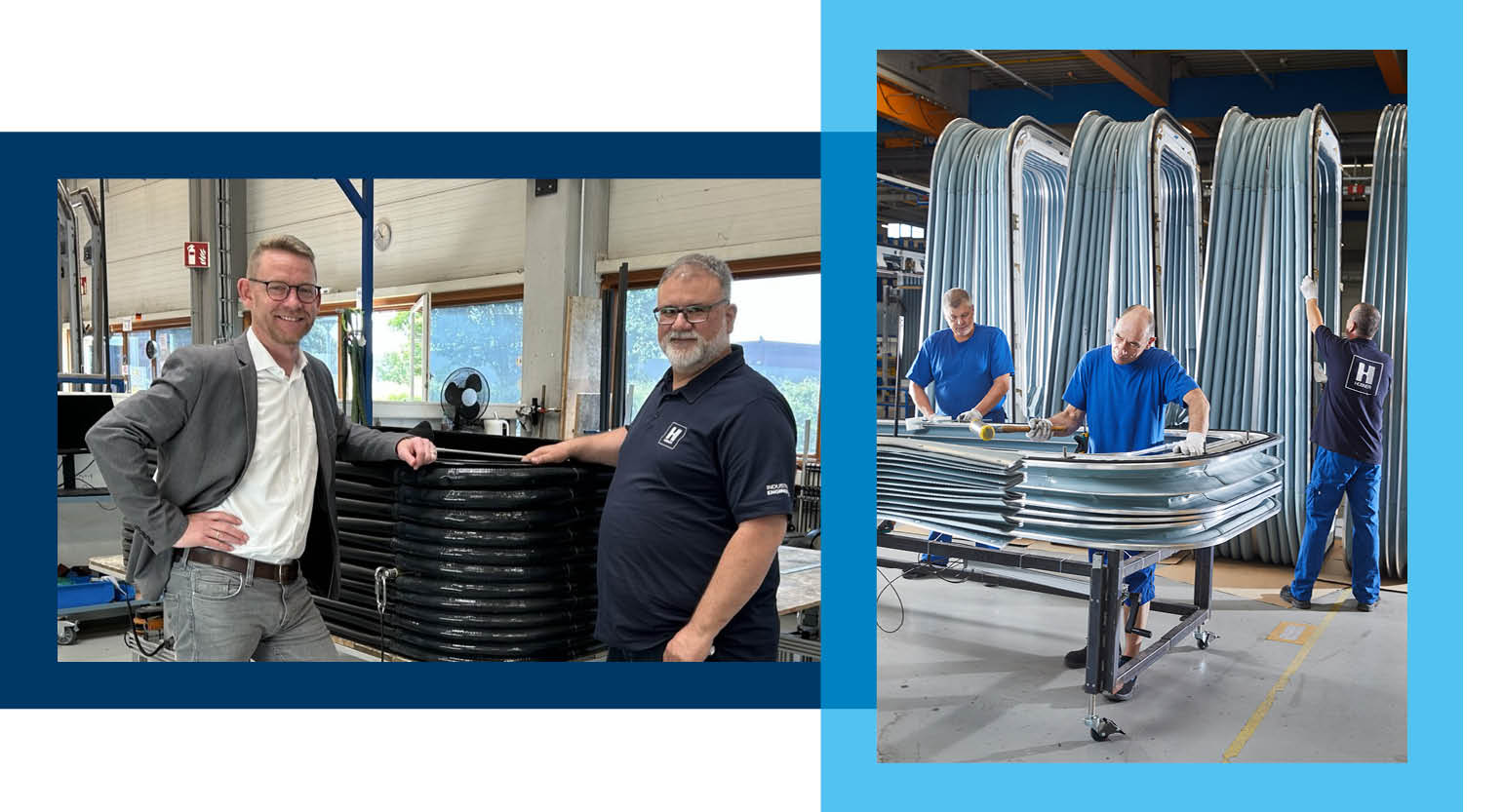
Thomas Linke is as familiar with the history of this development as few others. As a long-time Senior Industrial Engineer, he knows the subject from the first wooden template to motion tests and series approval – and knows what is needed when a system reaches its limits: “The corrugated bellows practically had to be invented. It had to move with the train, be stable and pressure-tight. That was a real highlight.”
This is still part of HÜBNER’s self-image today: developing solutions where others reach their limits. With the first contour-adapted corrugated bellows for the ICE 1, a solution was created that still shapes the image of German high-speed trains today – and at the same time the close cooperation with Deutsche Bundesbahn, later Deutsche Bahn.
From supplier to development partner
Dennis Böhm, Regional Sales Manager responsible for Deutsche Bahn and other customers at HÜBNER, has accompanied this collaboration for many years. For him, the special aspect lies in its continuity, mutual trust and shared commitment to quality. Especially in difficult market phases, the resilience of the partnership has been proven time and again.
The exchange remains close, always focused on solutions: „What began as a classic supplier relationship has been continuously developed into a close strategic cooperation. We support Deutsche Bahn not only as a component supplier, but increasingly as a development partner.” This has grown from what HÜBNER has contributed as a partner for around seven decades: engineering expertise on site in Germany, short distances, and the ambition to deliver holistic systems – while taking responsibility.
A memorable moment: 500 refurbished ICE 3 gangways
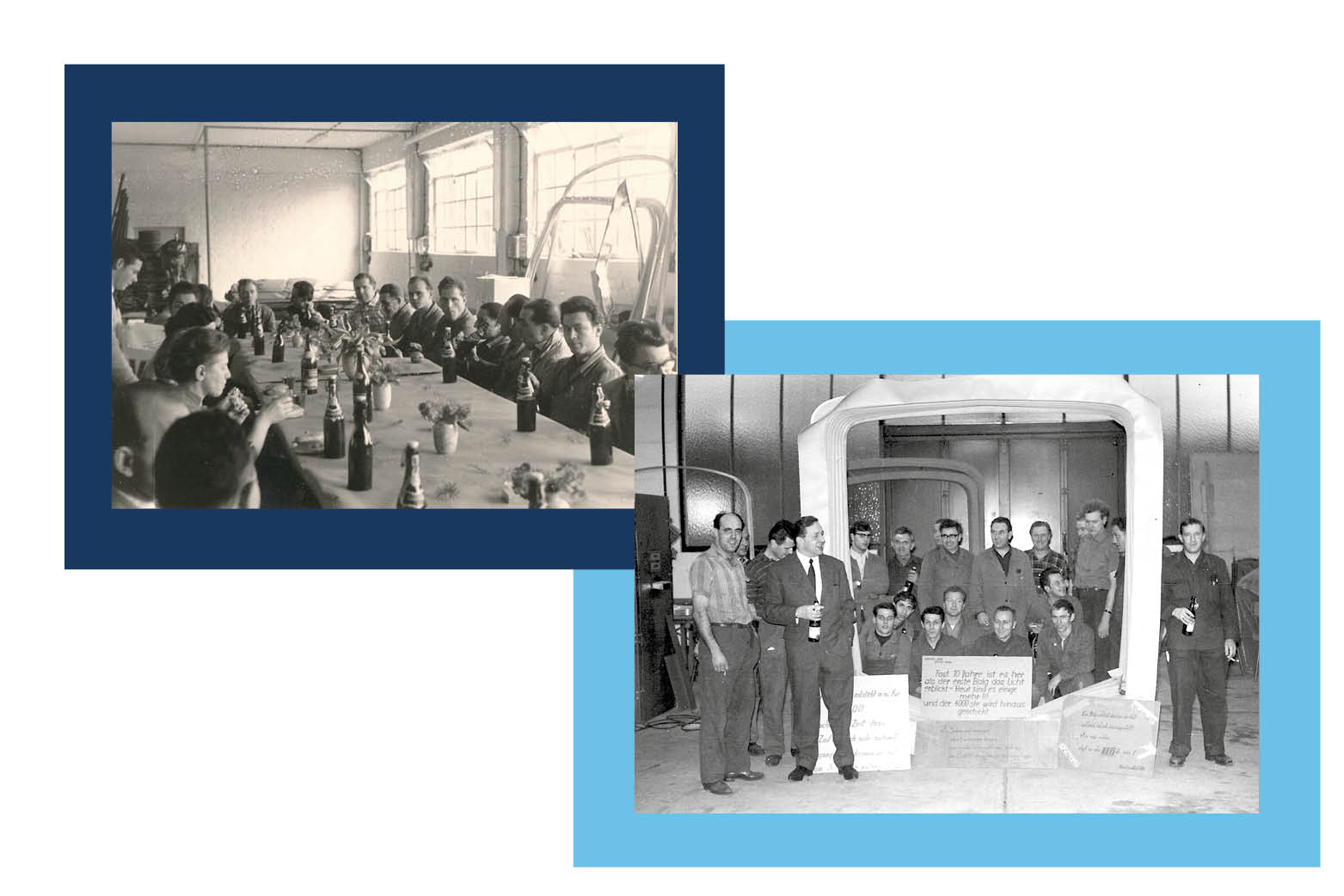
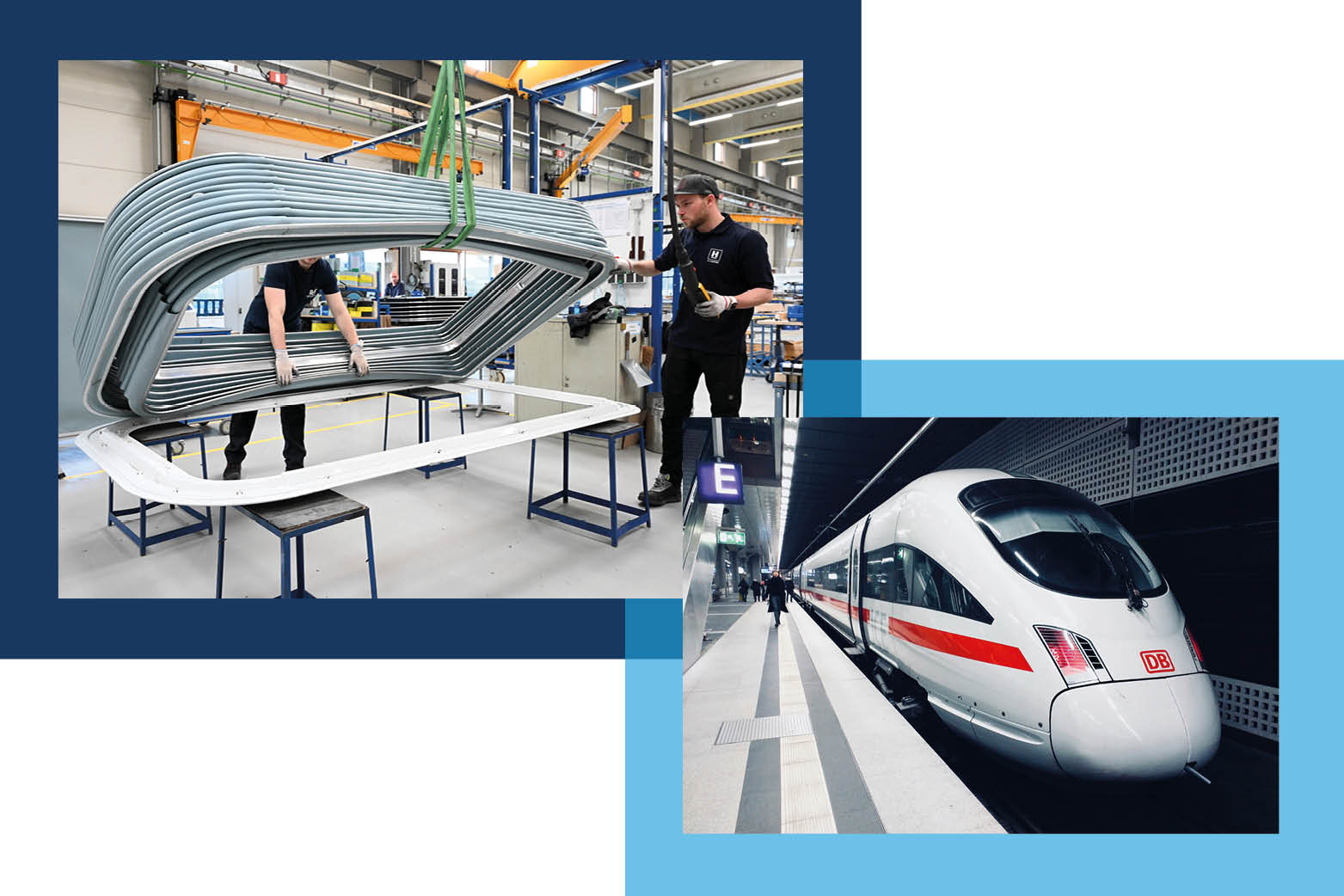
When asked about a special milestone, Dennis Böhm does not hesitate. A defining moment for him is the development of the gangways for the ICE 1 from 1989 onwards – still in use today, now overhauled several times. Even more tangible, however, is a recent project: between 2016 and 2024, HÜBNER refurbished 500 gangway systems for the ICE 3 at its Kassel site. The 500th unit received a plaque: „This milestone, which we accompanied for years, is still traveling through Germany today.”
75 years and no sign of standing still
Much has changed in 75 years. What began as a manual production has become an international networked manufacturing group with plants in Hungary, China, India, Brazil, the USA and South Africa. For Thomas Linke, the establishment of the Shanghai site in 2003 tarted under provisional conditions - with four containers, four employees and a lot of improvisation - exemplifies this transformation. The fact that some of the first Chinese employees are still with the company more than 20 years later makes the meaning of internationalization at HÜBNER tangible to this day - not just growth, but long-term, diverse cooperation.
From humble beginnings to great diversity
Over the decades, the first bellows have also evolved to an astonishing variety: aerodynamically optimized fairings for high-speed trains, highly specialized gangways for a very different types of vehicle – as well as solutions for the Eurotunnel between France and Great Britain, the largest railway gangway in the world.
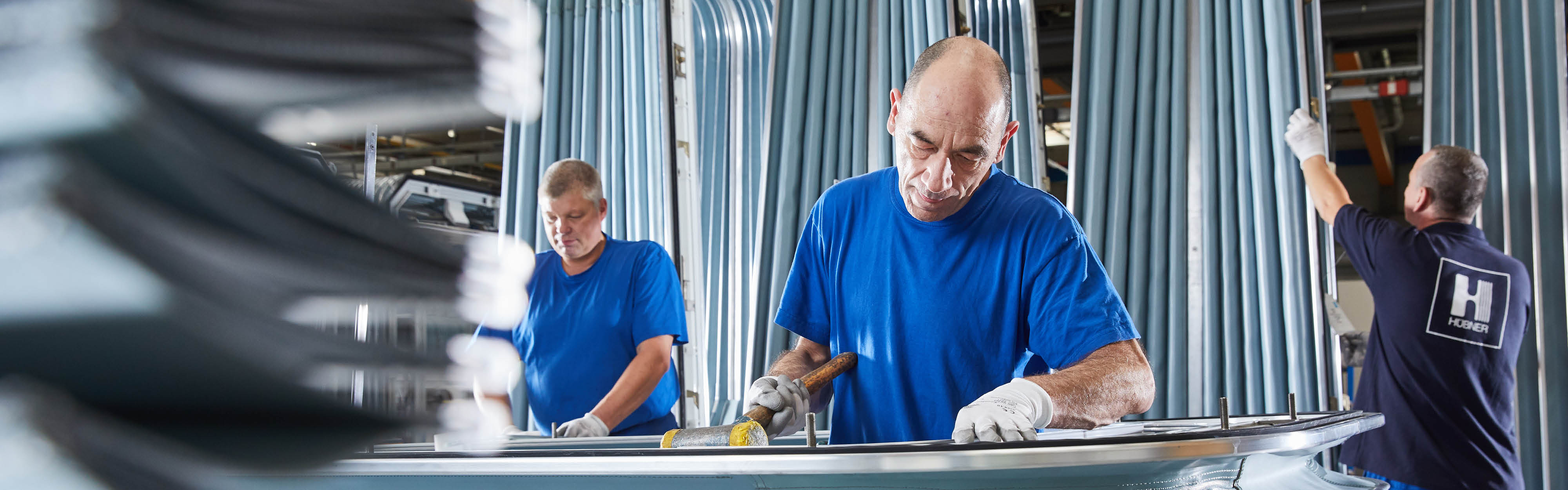
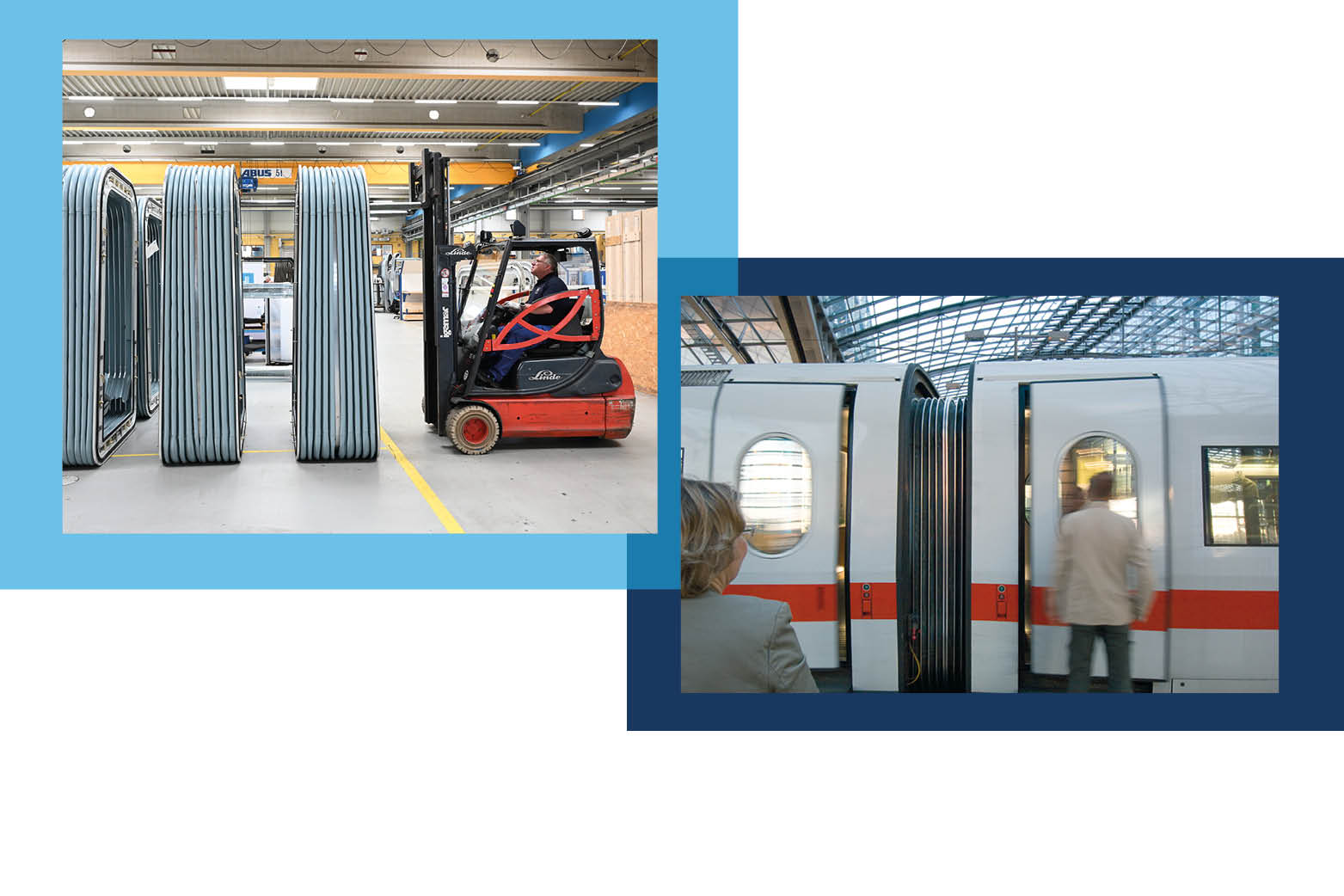
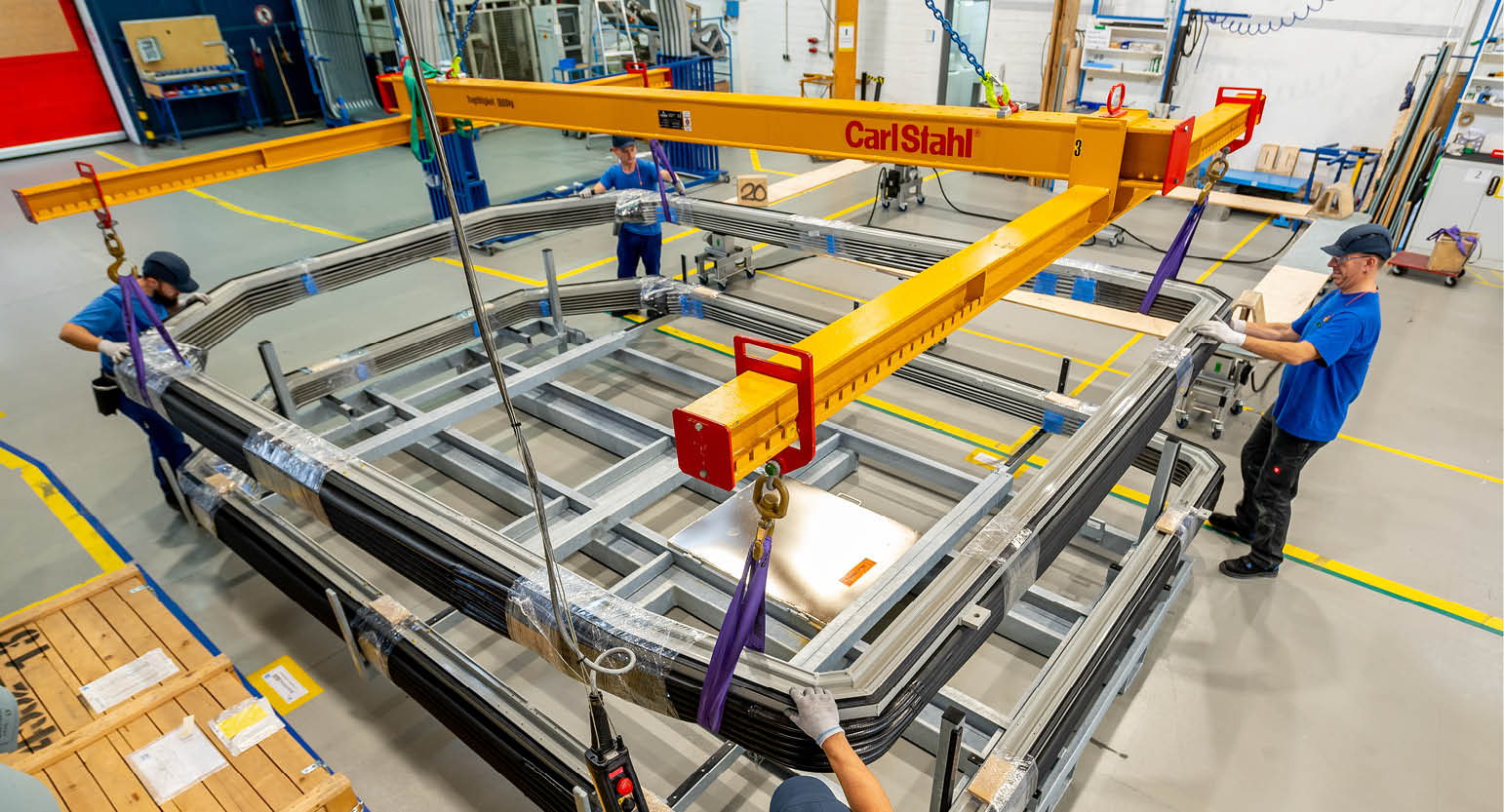
And despite all the change, some things have remained because they have proven themselves. Today, production is more digital and networked than ever before, but not every step can be automated. This still shows how much experience, precision, and manual work goes into every single gangway system.
Looking ahead: New requirements, proven attitude
Even after more than seven decades, the development is not complete. New materials, stricter requirements – for example in – and increasing demands, for comfort, safety and aerodynamics are constantly changing the work.
Dennis Böhm looks to the future with optimism: „The experience of the past decades shows how much is possible when trust, quality, and close cooperation come together.“Thomas Linke also looks ahead. His wish is simply stated: to continue solving challenges, satisfying customers – and always developing products that are ahead of the competition.